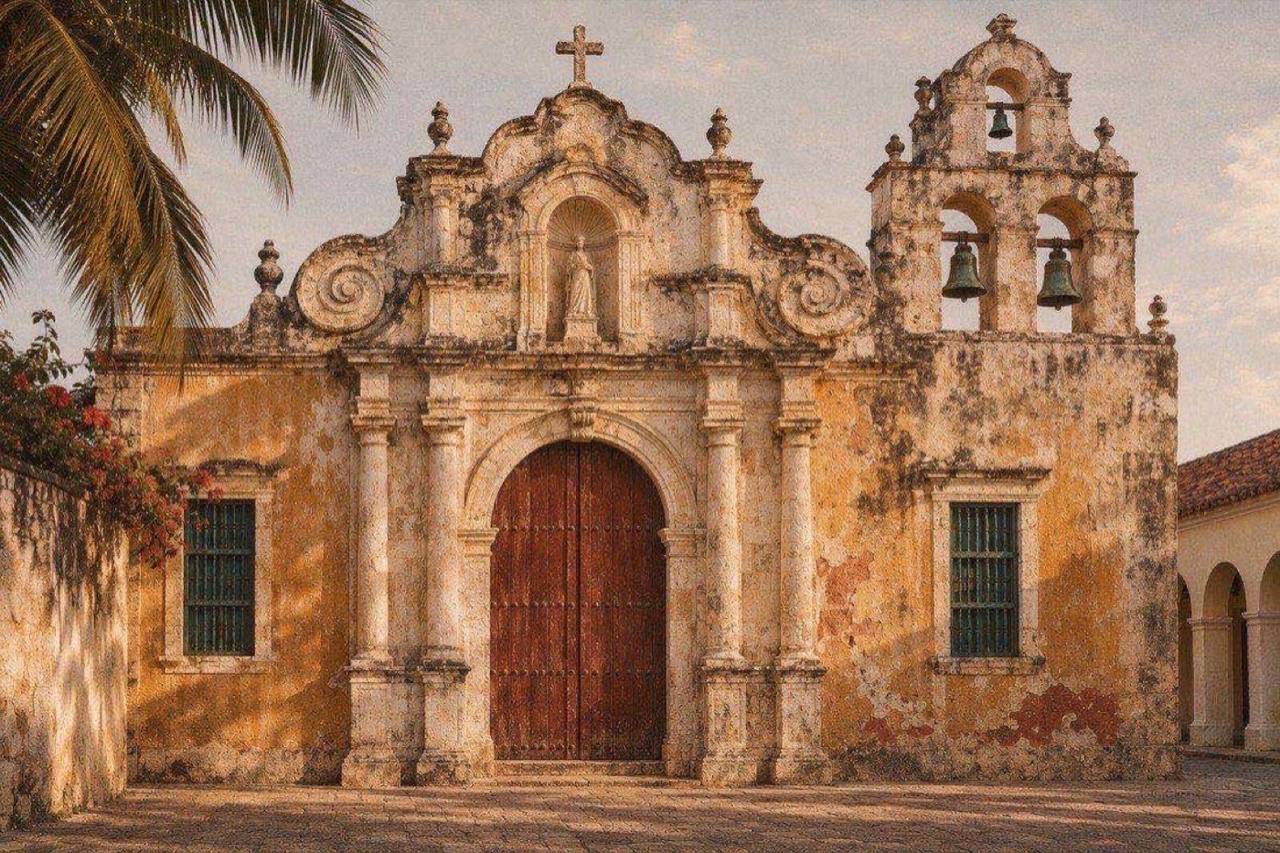
Cuban church records: baptisms, marriages and burials
For many descendants of Cubans, church records are the first and often the only source of information about earlier generations. Spanish colonists brought Catholicism to the island in the early 16th century, and Cuba is traditionally a Catholic country. As a result, parishes recorded the sacraments of most of the population during the colonial era. This guide explains what Cuban Catholic church records contain and where to find them.
What Are Cuban Catholic Church Records?
Parish books cover baptisms, confirmations, marriages and burials. Each type of record has its own set of books, so information about one person may be scattered across several volumes. Catholic church records in Cuba followed the Spanish system. They almost always name parents and grandparents, helping you trace earlier generations.
Civil registration began in Cuba in 1885. Before that year, church records are the main source of information on births, marriages and deaths. There is no simple alternative for research in that period.
Baptism Records Cuba and Cuba Marriage Records
Baptism records in Cuba are usually the best starting point. A typical entry gives the date and place of the baptism, the child's name and the parents' names. These details help identify the parents and guide further searches in the same parish's books.
Cuban marriage records add to the picture. A marriage entry connects two families and can help identify the couple's parents. A burial entry records the end of a person's life and can be useful when other documents are missing. Confirmations were also recorded and are part of the same collections.
Where to Find Cuban Church Records Online Free
Very few Cuban church books are available online, so be realistic about what you can find for free. Check each site's access terms, especially those of the three sources below.
FamilySearch offers the collection "Cuba, Church Records, 1584 to 1960". It contains mainly baptism records, along with some marriage records and other entries. Not every parish or year is included, so an unsuccessful search does not prove that an entry does not exist.
Some Cuban church books were digitized through a grant from the Endangered Archives Programme. Vanderbilt University also maintains collections of digitized Cuban church books useful for genealogy research. Check these two sources before searching elsewhere.
If a book is not online, you may need to write to the archive, diocese or parish priest. Include the person's full name, the approximate date of the event and the town. Precise details make the search easier. A quick reply or a successful search is not guaranteed.
How to Read Entries in Cuban Parish Books
Entries are handwritten in Spanish, often in narrative form. Rather than reading a table, you must pick out the details from continuous text.
Learn the structure of an entry before browsing Cuban parish books. For a baptism, look for these elements in order: the date and place, the child's name and the parents' names. Then read more closely for additional information, such as grandparents' names. Basic knowledge of Spanish terms for sacraments and family relationships also helps. The handwriting can be difficult, so compare several entries from the same book to become familiar with it.
Record each entry you read, along with the parish name, the type of book and the source. This makes it easier to return and check uncertain readings. Use the same system for every person in your family tree.
Where to Start Your Search
Start with the person for whom you have the most documentation and work backward. After 1885, civil registration can help; for earlier years, Cuban parish books remain the foundation. Check FamilySearch, the Endangered Archives Programme and Vanderbilt University before writing to a parish or diocese.
Keep a separate note for each person listing the parish books you have checked, the entries you found and any archives, dioceses or parish priests whose replies you are awaiting. These notes help you track progress during a long search.
Read about how the Cuban civil registry works and how its records after 1885 complement church records.