No. 01
Find Cuban ancestors
How to find Cuban ancestors: start with family papers and records abroad, identify the town and parish in Cuba, then work through church and civil registers.
Open the guide
Independent guide · Cuba and Spain
From 1902 to 1931, 780,400 immigrants came to Cuba from Spain, accounting for 60.8 percent of all immigrants in that period. This helps explain why Cuban genealogy research so often leads to Spanish archives. Two Surnames is an independent site that brings together information to help you trace your roots on both sides of the Atlantic.
01 · Date and parish
Every entry opens with when and where the sacrament took place. The parish is the address of the whole family, because the books stayed there.
02 · The person
Then comes the name of the child, or of the couple in a marriage entry. Both surnames are usually written out in full.
03 · Parents
Cuban and Spanish entries follow the same model and name the father and the mother, each with their own surnames.
04 · Grandparents
Most entries also name the grandparents on both sides, often with their place of origin. One line can carry you two generations back.
Cuban genealogy research relies mainly on two sources: the state civil registry (registro civil) and Catholic parish records. Civil registration of births, marriages, and deaths in Cuba began in 1885.
Parish records are the main source for earlier years and offer the most information about older generations. Cuban civil and church records were modeled on the Spanish system. They almost always name a person's parents and grandparents, allowing you to trace two generations in one document. However, very few Cuban records are available online, and access to archives in Cuba can be difficult. Researching Cuban ancestry takes patience and realistic expectations. We cannot promise that every record can be found.
Once you know your ancestor emigrated to Cuba from Spain, you will usually need to move from Cuban records to Spanish ones. Spain's state civil registry was established by a law of 1870 and has operated since January 1, 1871. For earlier years, parish records are the main source, just as in Cuba.
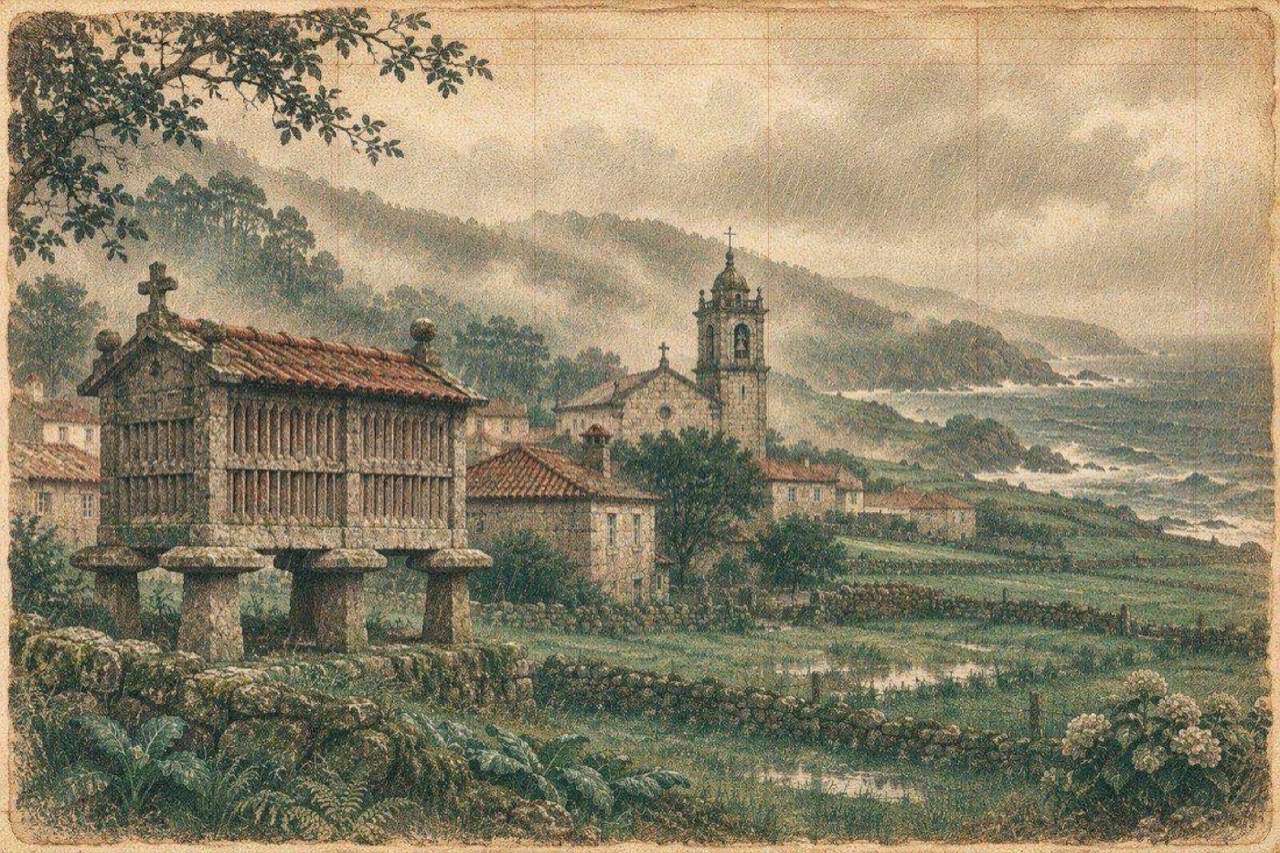
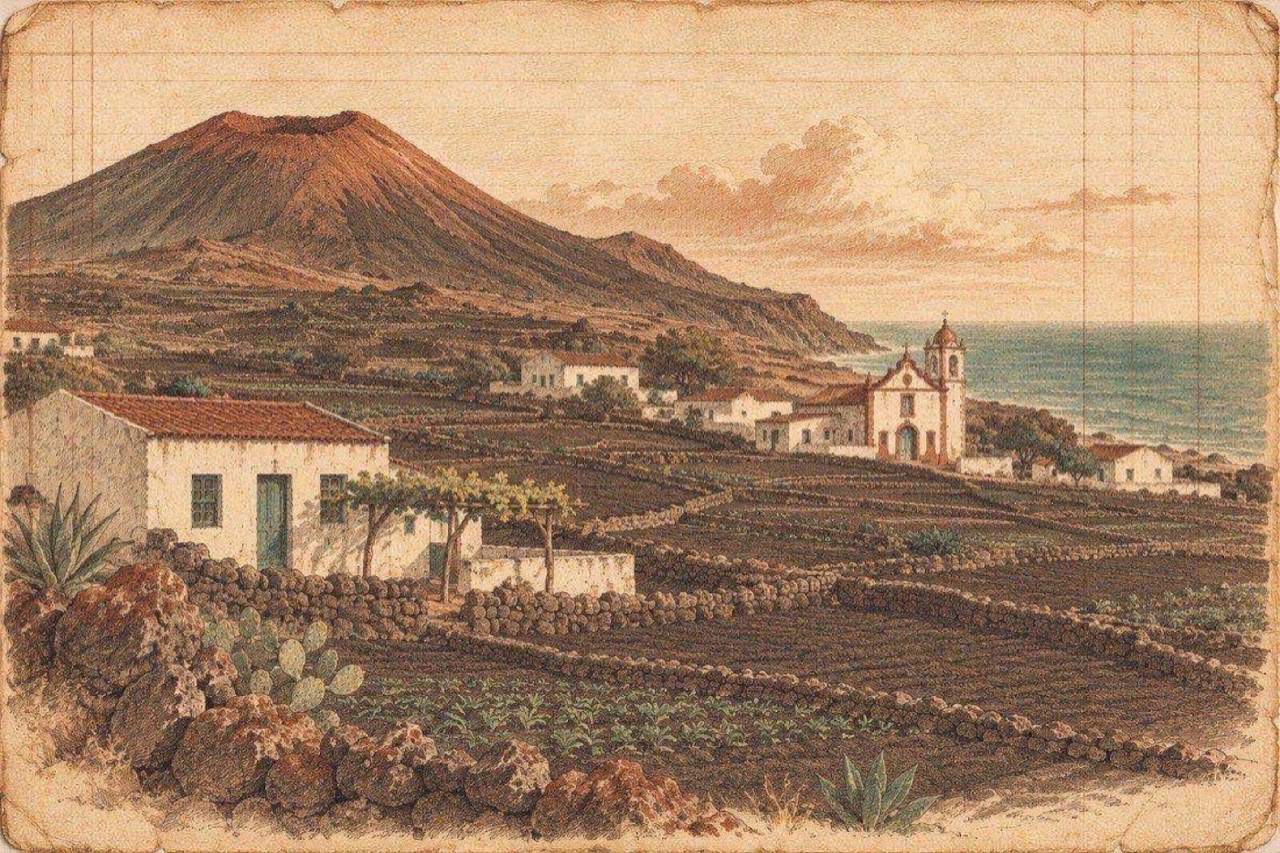
The key to research in Spain is identifying your ancestor's parish of origin, because records were kept locally. Without that information, Spanish genealogy records are difficult to search effectively. Galicians, Asturians, and Canary Islanders were the largest groups of Spanish immigrants in Cuba. In 1900, together they made up 68 percent of all Spaniards on the island, which may help you choose a region to start with.
Seven dates that decide which books hold your family, and where they are kept today.
Most Spanish lines in Cuban records lead back to a handful of regions. Knowing which one narrows the search to a diocese, and then to a parish.
Ships from Vigo to Havana, 1821 to 1877
With Galicians and Canarians, 68 percent of Spaniards in Cuba in 1900
About 25.6 percent of immigrants to Havana between 1585 and 1655
One of the main sources of early settlers
Figures: Spanish immigration to Cuba, Wikipedia, citing immigration records 1902 to 1931.
In Spanish and Cuban documents, a person has two surnames: the father's first surname and the mother's first surname. This makes it easier to distinguish families with similar surnames and trace both parents' family lines. The custom also shapes how names appear in records, so understanding it can help you read documents.
We do not maintain a database of people or conduct research for hire, and we are not affiliated with any archive or genealogical society. Our six guides cover how to find Cuban ancestors, Cuban church records, the Cuban civil registry, Spanish genealogy records, emigration from Spain to Cuba, and Spanish naming customs. Each guide covers one stage of research, so you can choose the one that fits your needs.
Start with our guide on how to find Cuban ancestors and work through your research step by step.
In Spanish and Cuban records a person carries two surnames: the father's first surname, then the mother's first surname. Every entry points to two families at once, and the second surname is often what tells two cousins of the same name apart.
Read the naming guideRead them in order, from the first family papers to a parish book in Spain, or open the one you need.
No. 01
How to find Cuban ancestors: start with family papers and records abroad, identify the town and parish in Cuba, then work through church and civil registers.
Open the guideNo. 02
Cuban church records explained: what Catholic baptism, marriage and burial books record, which digitized collections exist and how to request entries from a parish.
Open the guideNo. 03
How the Cuban civil registry works for genealogy: civil registration since 1885, what birth records show, and why requests usually need someone in Cuba.
Open the guideNo. 04
Spain genealogy records explained: Catholic parish books, the civil registry since 1871, the PARES archive portal and why the parish of origin matters most.
Open the guideNo. 05
Spanish immigration to Cuba from the Canary Islands, Galicia and Asturias: the main waves, the 1902 to 1931 peak and what it means for tracing ancestors.
Open the guideNo. 06
Spanish naming customs for genealogists: why Spanish and Cuban names have two surnames, how the order works, married women, y, viuda de and Exposito.
Open the guideVery few Cuban records are online, and Spanish ones are spread over parishes, dioceses and municipalities. A handful of large collections and portals are still the best first stop.